The art of transformation: where stone meets spirit
Each sculpture by Gerald J. Sandau is a journey—a meticulous transformation of raw stone into a living form. Discover the dedication, skill, and passion behind every unique piece, and understand the profound effort that elevates stone carving into an exceptional art form. We invite you to explore the very essence of creation.
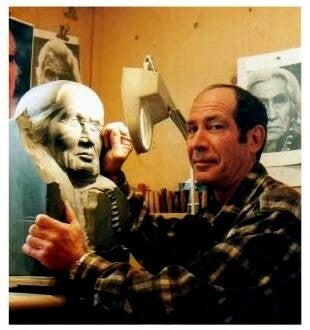
From concept to stone: the genesis of a sculpture
Before the first cut, a sculpture begins with careful contemplation. Just as carving in wood has taught the art of using grain and colour, selecting the perfect stone involves envisioning its destiny. Often, a beautiful, unusual piece will sit in the studio, engaging in "visual communication" until its narrative unfolds. We meticulously source various mediums like soapstone, alabaster, perypholite (wonderstone), and chlorite, each chosen for its unique character. The process also includes vital safety steps, like setting up a vacuum system and wearing a breathing mask to protect against fine dust, ensuring a healthy creative environment. With a subject in mind, detailed reference photos—often from sources like National Geographic—are gathered, and the base of the selected stone is meticulously worked to sit perfectly flat, preparing for the artistic journey ahead.
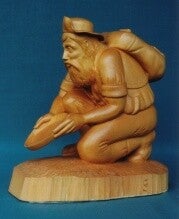
The sculptor's dance: shaping form and detail
The true challenge and artistry lie in the shaping. Beginning with a rough sketch drawn on all four sides of the stone, the majority of unwanted material is carefully removed with an angle grinder. This initial stage requires immense foresight; "with stone, you can take away, but you can’t add." The sketch is redrawn multiple times as material is removed, ensuring precision. Once the roughing is complete, the stone moves to a locking turntable. Here, the detailed shaping begins, employing hammer and stone chisels, high-speed rotary tools with carbide, and diamond burrs. This meticulous, iterative process of carving and re-sketching continues until the desired realistic, highly detailed, three-dimensional form of wildlife or an effigy of a national figure emerges, capturing their story in facial expression and relief.
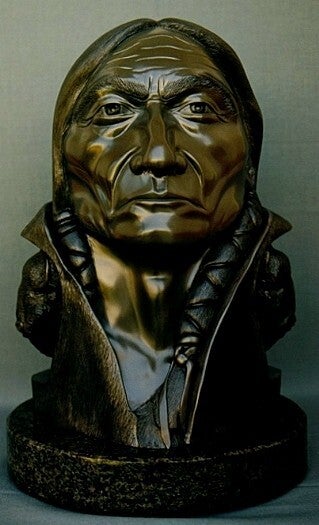
The final touch: revealing natural beauty and resilience
The journey culminates in the finishing stages, where the stone's inherent beauty is brought to the forefront. This begins with wet sanding, progressing from coarse-grain to fine-grain silicone carbide sandpaper, initially with a rotary tool and concluding with meticulous hand-sanding. For softer stones like soapstone, three to four coats of 'Concrete Glaze' hardener are applied, providing durability and damage resistance, while harder stones receive one or two coats to enhance their natural colours. This choice also aligns with the philosophy of keeping sculptures as natural stone, often integrating the base as part of the sculpture itself, eschewing wood bases. Two coats of satin wax are applied, imparting a beautiful satin finish. Finally, a sheet of felt is sprayed with 3M Super 77 Multipurpose Adhesive, the sculpture is placed on it till dry, the excess cut off with a scalpel. Housewifes appreciate that it doesnt scratch the furniture. We encourage viewers to touch our sculptures, inviting a tactile connection with the stone. While soapstone is recommended for beginners due to its ease of carving, Gerald now prefers harder stones, as softer pieces often require repair after exhibitions.
Create Your Own Website With Webador